
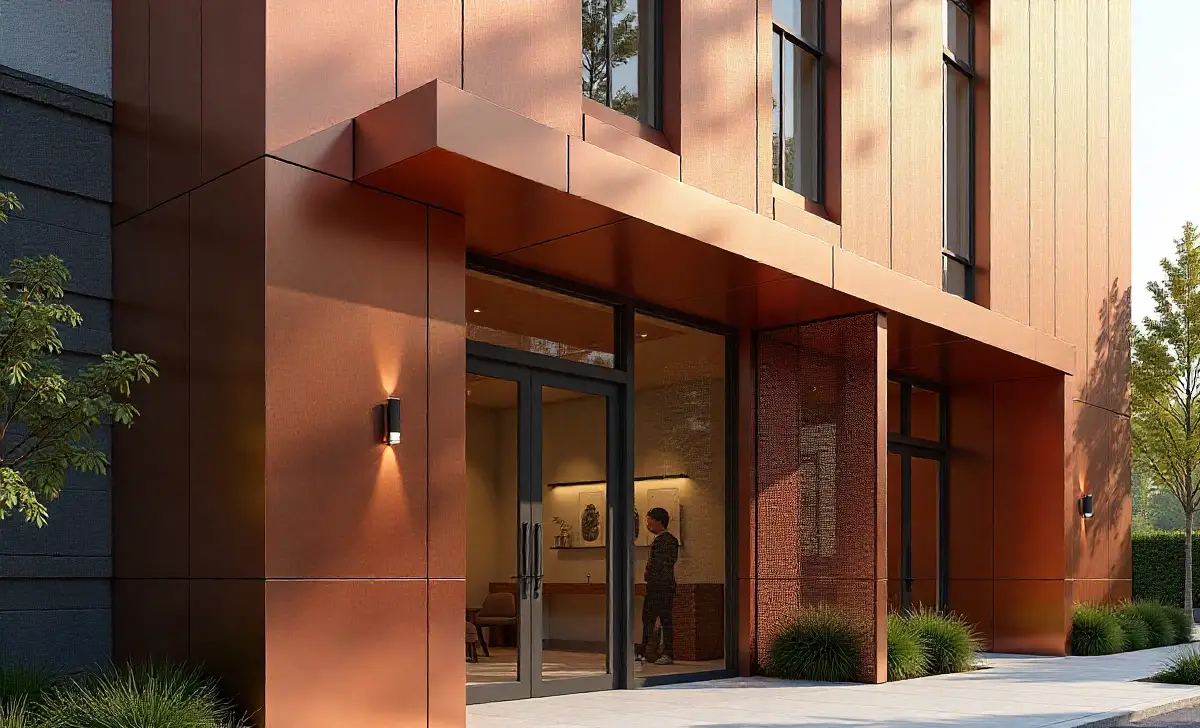
Ever wondered what gives modern skyscrapers their defiant strength or what creates that sleek, industrial feel in contemporary homes? The answer often lies not in concrete or glass alone, but in the versatile world of metal in architecture. Far from being just a utilitarian choice, metal is a foundational material that shapes our built environment, blending timeless durability with cutting-edge design.
If you’re planning a building project, researching materials for a study, or simply curious about the skeletons of the structures around you, you’ve likely asked: What are the real benefits of building with metal? Which type is right for my project? Is it only for modern designs, or can it work for traditional styles too?
This guide cuts through the technical jargon to explore how architectural metal works in the real world. We’ll look at the common types, their practical applications, and how choosing the right metal can impact everything from your budget to your building’s environmental footprint.


Why Metal? Beyond the Industrial Look
First, let’s address a common misconception: that metal building materials only suit a cold, industrial aesthetic. While exposed steel beams and metal cladding can create that sought-after modern loft feel, metal’s versatility is boundless. A copper-clad building develops a soft, green patina over time, offering a warm, traditional character. Fine steel mesh, like Belleville Wire Cloth, can drape a facade like a delicate second skin, adding texture and shade to a Gothic revival structure without compromising its heritage.
The fundamental reasons architects and builders turn to metal are rooted in performance:
- Structural Integrity: Metals like steel provide unparalleled strength, forming the essential skeleton for everything from apartment blocks to bridges. This structural support is non-negotiable for safety and longevity.
- Durability & Low Maintenance: Corrosion-resistant metals, such as stainless steel and certain aluminum alloys, withstand weathering, pollution, and moisture. This translates to decades of service with minimal upkeep—no frequent painting or sealing.
- Design Flexibility: Metal can be molded, bent, and shaped into forms impossible for other materials. This allows for innovative building design, from sweeping curves to sharp, angular details.
- Sustainability: Many metals used in construction, including steel and aluminum, are highly recyclable. Their longevity and potential for eco-friendly construction make them a responsible choice for the future.
The Metals Toolkit: A Guide to Common Architectural Choices
Not all metals are created equal. Each brings a unique set of properties to the table. Here’s a breakdown of the most commonly used metals in architecture and their real-world applications.
1. Steel: The Backbone of Modern Construction
- Why it’s used: Steel is the champion of strength and durability. Its high strength-to-weight ratio allows for large, open spaces without obstructive support columns. Think of the airy interiors of airports and stadiums.
- Forms & Uses: It’s used as structural steel beams and columns, steel mesh for facades and fencing, and reinforcing bar (rebar) within concrete. Stainless steel, in particular, is prized for interior metal surfaces in hospitals and kitchens due to its hygienic, rust-proof nature.
- Real-World Consideration: A frequent question is about cost. While raw material costs can fluctuate, the speed of steel beam construction and reduced labor can offer long-term savings on large projects.
2. Aluminum: The Lightweight Powerhouse
- Why it’s used: Aluminum is lightweight, corrosion-resistant, and easily worked. It’s a favorite for applications where weight is a critical factor.
- Forms & Uses: You’ll find it in window frames, metal roofing systems, cladding panels, and modern patio covers. Its natural reflectivity also makes it excellent for energy-efficient building skins.
- Real-World Consideration: Homeowners often ask if aluminum roofing is durable. Modern, coated aluminum roofs can last 40-50 years, offering a fantastic, low-maintenance exterior that’s also recyclable.
3. Copper: The Living, Breathing Metal
- Why it’s used: Copper is celebrated for its aesthetic evolution and longevity. It naturally ages to a distinctive greenish-blue patina that protects the material underneath, meaning it actually grows more beautiful and durable over time.
- Forms & Uses: Primarily used for cladding, roofing, and decorative accents on high-end residential and institutional buildings. It’s also an excellent conductor, making it ideal for integrated electrical systems.
- Real-World Consideration: The initial cost is higher, but it’s a “buy-once” material. Architects value it for creating landmarks that visually connect with history, as seen in iconic buildings like the Parisian Musée du Quai Branly.
4. Zinc & Copper Alloys (e.g., Brass, Bronze): The Detail Specialists
- Why they’re used: These metals offer a blend of malleability, corrosion resistance, and rich, warm colors. They develop a protective patina.
- Forms & Uses: Perfect for decorative metalwork, architectural details, door handles, and custom facade elements. They add a layer of crafted sophistication.
5. Cor-Ten Steel: The Intentional Rust
- Why it’s used: This “weathering steel” is designed to form a stable, protective rust layer when exposed to the elements. This eliminates the need for painting and provides a rich, earthy, orange-brown appearance.
- Forms & Uses: Popular in landscape architecture, sculptural building facades, and bridges. It blends seamlessly with natural environments.
- Real-World Concern: A common discussion point is “rust runoff.” Properly detailed, Cor-Ten’s initial weathering cycle is managed to prevent staining adjacent materials, a crucial step handled by experienced architectural metalwork companies.
Making the Choice: How to Select the Right Metal for Your Project
Choosing isn’t just about picking the strongest or prettiest option. It’s a balance of priorities. Ask yourself these questions, often echoed in forums and client meetings:
- What is the primary function? (Structural support, weather envelope, decorative screen?)
- What is the desired aesthetic? (Sleek and modern, warm and traditional, industrial, organic?)
- What is the maintenance tolerance? (Can you handle periodic upkeep, or do you need a “set-it-and-forget-it” material?)
- What is the budget lifecycle? (Considering not just the install cost, but maintenance and longevity over 30+ years.)
- What are the environmental goals? (Is using recyclable materials or local sourcing a priority?)
For example, a coastal home needs corrosion-resistant metal like aluminum or specific stainless steel alloys. A corporate headquarters wanting a bold statement might choose a copper facade for its evolving, living quality. A warehouse conversion needing clear-span interiors will rely fundamentally on structural steel.
The Future is Metallic: Sustainability and Innovation
The role of metal in construction is evolving towards greater sustainability. The industry is focusing on:
- Increased Recycled Content: Most structural steel now contains over 90% recycled material.
- Energy Efficiency: Reflective and ventilated metal facades can significantly reduce a building’s cooling load.
- Prefabrication: Metal building components are often fabricated off-site with precision, reducing material waste and construction time on-site.
From the steel beams holding up your local library to the aluminum sunscreens shading a glass tower, metal is deeply woven into our architectural fabric. It’s a dialogue between raw strength and refined beauty, between enduring permanence and elegant lightness.
By understanding its language—the properties of stainless steel architecture, the warmth of copper cladding, the innovation of metal mesh facades—you move from a passive observer to an informed participant. Whether you’re sketching a dream home or managing a commercial build, this knowledge empowers you to make choices that are not only structurally sound and beautiful but also responsible and enduring. In architecture, metal isn’t just a material; it’s a partner in bringing vision to life, solidly grounded in the earth yet always reaching for the sky.