
Let’s talk about a paradox every modern business faces. On one hand, you need to protect your profit margins. On the other hand, customers love a good deal—in fact, a recent study suggests over 90% of consumers have used a coupon in the last few months. So, how do you use discounts without cheapening your brand or eroding your bottom line?
The answer isn’t to avoid promo codes, but to master them. A well-planned coupon strategy is more than a quick sales trick; it’s a sophisticated marketing tool for growth, loyalty, and data collection. This guide cuts through the noise to give you a balanced, real-world look at the advantages and drawbacks, helping you build a strategy that works for the long haul.
Understanding the Dual Impact: Why Promo Codes Matter Today
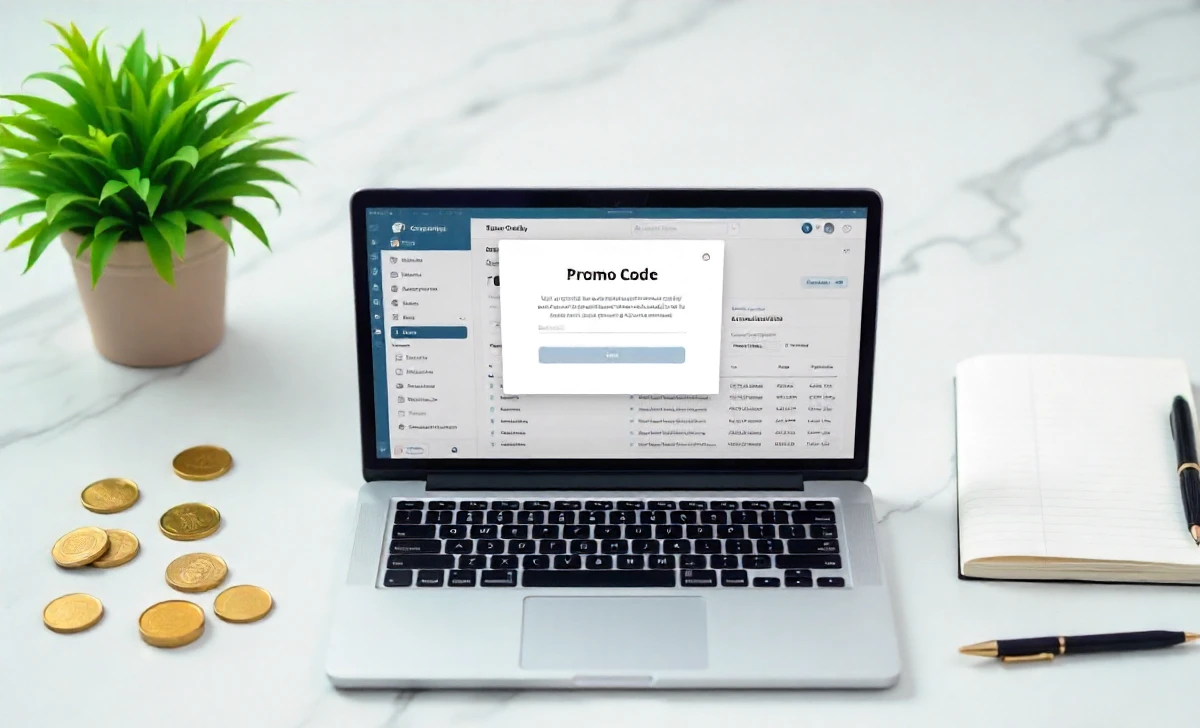
At its core, a promo code is a conversation starter. For the customer, it says, “We value your business.” For you, the business owner or marketer, it’s a lever you can pull to achieve specific goals—if you know which one to pull and when.
The common fear is that discounts simply train customers to wait for a sale. While this is a real risk with a scattered approach, a strategic one does the opposite. It attracts the right customers, encourages valuable behaviors, and gathers insights that fuel your entire marketing engine. The key difference lies in intention and execution.
The Clear Advantages: How Promo Codes Drive Business Growth
When used with purpose, the benefits of a coupon code strategy are substantial and multifaceted.
1. Acquire New Customers Cost-Effectively.
A limited-time offer is one of the most powerful incentives for someone to try your brand for the first time. It reduces the perceived risk of a purchase. Think of the discount not as lost revenue, but as a calculated customer acquisition cost (CAC). The goal is to convert these first-time buyers into full-price, repeat customers.
2. Boost Sales Volume and Manage Inventory.
Need to clear out last season’s stock or draw attention to a specific product line? A targeted promo code is your best friend. It creates urgency and directs customer traffic, helping you improve cash flow and make room for new inventory without resorting to store-wide markdowns that can hurt your brand’s perceived value.
3. Build Loyalty and Encourage Repeat Business.
Exclusive promo codes for your email subscribers or previous customers make them feel valued. This isn’t about broadcasting a public sale; it’s about creating a “members-only” perk. A simple “Thank You” code for a past purchase or a birthday discount fosters emotional connection and dramatically increases customer lifetime value.
4. Supercharge Your Marketing and Gain Critical Insights.
This is where promo codes transform from a simple discount into an intelligence-gathering powerhouse.
- Track Campaign Performance: Use unique codes for different channels (e.g., INSTA10 for Instagram, PODCAST15 for your show). Suddenly, you can see exactly which marketing efforts are driving sales, taking the guesswork out of your budget allocation.
- Grow Your Email List: Offer a welcome discount in exchange for an email sign-up. This builds your most valuable marketing asset—a direct line to interested customers.
- Encourage Engagement: Offer a code for completing a feedback survey, sharing a social media post, or referring a friend. This turns passive audiences into active participants.
Navigating the Drawbacks: Smart Strategies to Mitigate Risk
The pitfalls of promo codes usually stem from a lack of strategy. Here’s how to avoid common missteps.
1. Protecting Profitability.
The most legitimate concern is the hit to your margins. The fix is in the math and the targeting.
- Calculate Your Breakeven: Before launching an offer, know your numbers. How many new sales or upsells do you need to cover the discount? Model different scenarios.
- Use Targeted, Not Blanket, Discounts: Avoid site-wide “SAVE20” sales. Instead, offer codes for specific customer segments (newcomers, cart abandoners) or on bundled products where the overall cart value remains high.
2. Attracting the Right Customers, Not Just Deal-Seekers.
You don’t want to build a brand loyal only to the lowest price. To attract your ideal customers:
- Frame Your Value First: Your marketing should emphasize product quality, benefits, and brand story before revealing the discount. The code should be the nudge, not the entire message.
- Context Matters: Share your promo codes in communities and channels where your target audience already exists, rather than on generic coupon aggregator sites.
3. Managing Existing Customer Expectations.
You don’t want your loyal, full-price customers to feel penalized. Communicate clearly.
- Make Exclusivity Clear: If you’re running a “New Customers Only” offer, state it prominently. For your VIPs, create separate, more valuable offers (e.g., early access, free shipping, gifts-with-purchase) that aren’t just about price.
- Use Pre-Emptive Communication: Email your existing list before a public sale goes live. Give them first access or a slightly better offer. This makes them feel like insiders.
Building Your Actionable Promo Code Strategy
Turning insight into action requires a plan. Follow this framework.
Step 1: Define Your Primary Goal.
What is the one main thing you want this specific code to achieve? Is it…
- Email list growth?
- Clearing slow-moving Inventory?
- Boosting sales of a new product?
- Rewarding social media shares? Your goal dictates everything from the discount size to where you promote it.
Step 2: Choose the Right Type of Offer.
- Percentage-Off: Good for general incentives, but can heavily cut into margins on high-ticket items.
- Fixed-Amount-Off: Excellent for encouraging a higher minimum spend (e.g., “Save $20 on orders over $100”).
- Free Shipping: A psychological powerhouse that often works better than a percentage discount and simplifies checkout.
- BOGO or Gift-with-Purchase: Great for introducing new products or adding value without directly discounting your core item.
Step 3: Set Clear Parameters.
- Duration: Create urgency with a short window (48-72 hours) for flash sales. Use longer durations (e.g., a month) for seasonal or lead-generation campaigns.
- Usage Limits: Cap uses per customer to prevent abuse. Consider a minimum spend threshold to protect the average order value.
Step 4: Promote and Track Relentlessly.
- Channel-Specific Codes: As mentioned, this is non-negotiable for tracking. Use a tool (like many built into e-commerce platforms) to manage this.
- Clear Creative: In your ads and posts, make the offer, code, and deadline impossible to miss.
- Post-Campaign Analysis: After it ends, analyze the data. Did you hit your goal? What was the customer acquisition cost? What was the repurchase rate? Use these insights for your next campaign.
The Customer’s Perspective: Why Promo Codes Win Loyalty
It’s easy to forget the human on the other side of the screen. From a consumer’s view, a well-executed promo code feels like a win. It helps them:
- Justify a Purchase they were already considering.
- Take a Chance on a new brand or a higher-tier product.
- Feel appreciated by a brand they like, reinforcing their choice to shop with you. This positive emotional association is the bedrock of brand loyalty. It’s not about the money saved; it’s about the feeling of being smart and valued.
Conclusion: The Mindset of Strategic Discounting
Ultimately, successful promo code use is a shift in mindset. Stop viewing discounts as a necessary evil or a short-term sales spike. Start viewing them as a flexible, measurable component of your broader marketing and customer relationship strategy.
The most sustainable businesses use promo codes not as a crutch, but as a strategic scalpel—precise, intentional, and goal-oriented. By focusing on long-term customer value over short-term transactions, you can harness the power of the deal to build a stronger, more resilient, and more profitable brand.
Remember, the best offer you can make is one that feels good for both your customer and your business. When you get that balance right, you’re not just giving a discount; you’re building a foundation for lasting growth.