
Insurance expenses can significantly impact your monthly budget, but understanding how to optimize your coverage can lead to tangible savings and greater peace of mind. By proactively managing your policies, you can often identify opportunities to save without sacrificing the protection you need for your most important assets. For example, carefully reviewing your homeowners insurance options could reveal discounts or coverage options that better fit your circumstances.
Rather than treating insurance as a fixed cost, periodic examination ensures that you’re not leaving money on the table. Insurance companies often adjust rates and offer new programs, so a once-adequate policy can become outdated or unnecessarily expensive over time. A little effort each year to reassess is a practical way to align your financial strategy with real-life needs and priorities.
Insurance optimization is about more than just slashing premiums; it’s also about ensuring your coverage works efficiently to protect your family’s security. As you add assets, update your home, or experience changes in household makeup, your insurance requirements will shift—which means regular updates are vital for maximum benefit. Staying informed about current insurance options, rate changes, and risk assessments further empowers you to make cost-effective choices.

Bundle Your Policies
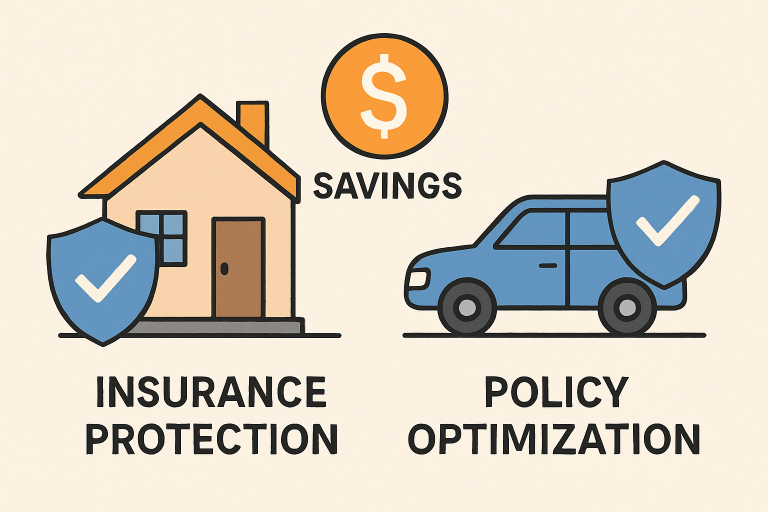
One of the quickest ways to cut insurance costs is through bundling. When you purchase both homeowners’ and car insurance from the same provider, insurers typically reward you with a multi-policy discount—sometimes as much as 25%. Not only does bundling streamline your paperwork and billing, but it can also unlock additional perks, such as enhanced customer service or loyalty benefits. These combined savings make bundling a highly effective first step toward reducing your yearly insurance expenses.
Increase Your Deductibles
Another reliable strategy to lower your premiums is to raise your deductibles. By opting for a higher out-of-pocket payment if you do need to file a claim, you signal to insurers that you’re willing to assume some of the risk, resulting in lower monthly costs. For example, increasing your auto deductible from $500 to $1,000 can result in a 15% or more reduction in premiums. However, it’s essential to ensure you have savings set aside to cover the higher deductible in the event of an emergency.
Enhance Home Security
Insurance companies favor homeowners who invest in risk-reducing upgrades. Adding security systems, such as burglar alarms, smoke detectors, video cameras, and smart locks, significantly decreases the likelihood of claims related to theft or fire. Many insurers offer substantial discounts for these enhancements, as modernized security systems have been proven to minimize large losses
Maintain a Good Credit Score
Your credit score can have a surprising impact on your insurance premiums. Many insurance companies use credit information to assess risk, so a higher score often translates to lower monthly bills. According to CNBC, maintaining a strong credit score can offer several financial advantages, including potentially lower insurance costs. Protect your score by paying bills on time, reducing outstanding debt, and regularly monitoring your credit report for inaccuracies. Even relatively small improvements in your credit can pay off in the form of lower renewal rates.
Review and Adjust Coverage
Regularly evaluating your coverage ensures you’re neither overinsured (paying for unnecessary extras) nor underinsured (vulnerable to expensive losses). As your property appreciates or depreciates, or after renovations, your insurance needs may shift. For example, it might make sense to drop comprehensive or collision coverage on an older car, or to increase dwelling coverage if you’ve expanded your home. Staying up to date with personal asset values helps maintain the right balance of security and affordability.
Inquire About Discounts
Insurers offer a wide range of discounts based on various factors, including lifestyle, occupation, good driving habits, and a claims-free record. Some companies offer rate reductions to retirees, non-smokers, first-time homebuyers, or those who have recently upgraded their security or safety features. Staying in touch with your insurer and regularly inquiring about new or updated discounts ensures you’re taking advantage of every possible saving.
Shop Around
The insurance industry is a highly competitive marketplace, with each provider weighing risk factors and offering discounts in varying ways. Comparing rates—either through online quote tools or with an independent agent—guarantees you won’t miss out on a better offer. When comparing, look beyond just price: evaluate reputation, customer reviews, claims handling, and policy specifics to find actual value and peace of mind. Making annual comparisons helps you stay alert to shifting rates and evolving coverage options.
Avoid Small Claims
Filing frequent, minor claims can lead to rate hikes or even jeopardize your future coverage eligibility. Whenever you can comfortably handle a small repair out of pocket, consider skipping the claim to keep your record clean and avoid potential issues. Insurers often reward clients with a claims-free history by offering access to better rates and additional discounts.
Conclusion
Optimizing insurance doesn’t have to be complicated—small, thoughtful changes can add up to significant savings without putting your family or assets at risk. With strategies like bundling, raising deductibles, upgrading security, and proactively comparing rates, you ensure your coverage aligns with your evolving needs. Making these practical adjustments each year is the key to affordable, reliable protection for both your home and vehicle, while keeping your long-term financial goals on track.