
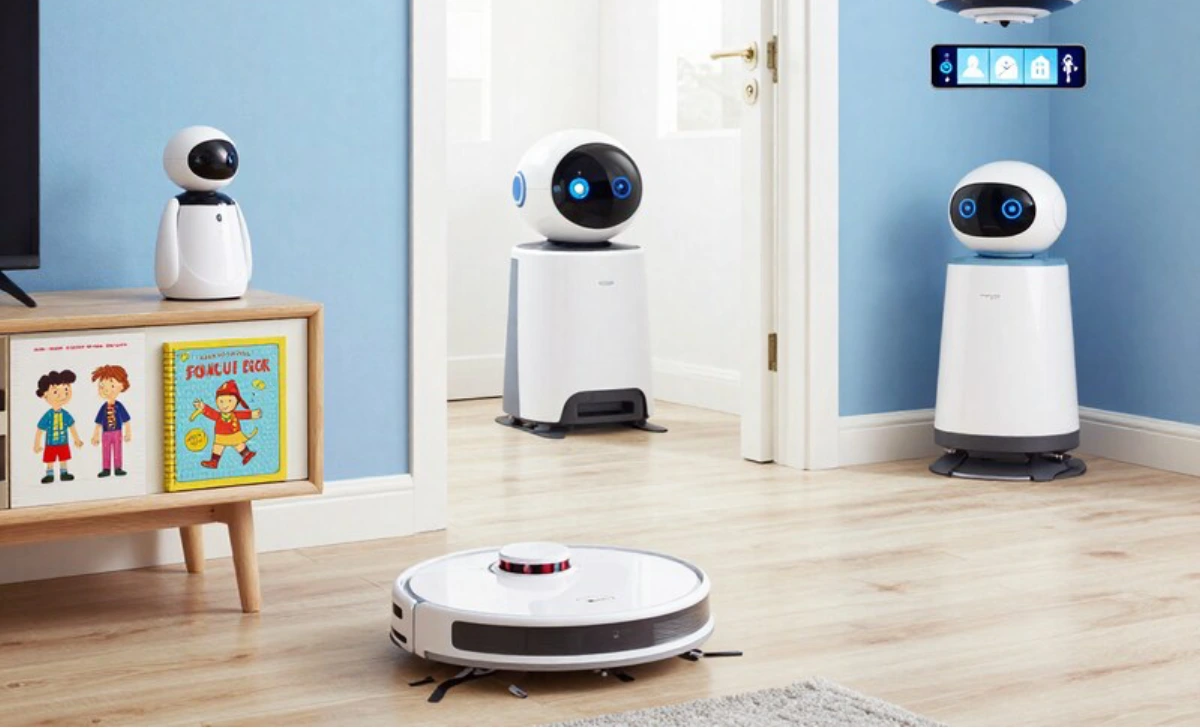
Smart home technology has changed how you manage your household. Smart home devices now handle tasks that once required your constant attention, and home robots represent the most visible shift in this automation.
What Are Smart Home Devices?
Smart home devices are electronics that automate household tasks. You control them through your smartphone, tablet, or voice commands after connecting them to your internet network. Smart thermostats adjust temperature based on your schedule. Intelligent lighting systems turn on when you enter a room. These devices reduce manual work and give you remote control over your home environment.
The key difference between traditional electronics and smart devices is connectivity and automation. A regular thermostat requires manual adjustment. A smart thermostat learns your preferences and adjusts itself.

Home Robots: A Practical Look
Home robots handle physical tasks without constant supervision. The category started with robotic vacuum cleaners like Roomba, which cleaned floors while you did other things. The field has grown, but you should understand what these devices actually deliver versus marketing claims.
What Home Robots Actually Do
Current home robots fall into specific categories based on their primary function:
Cleaning Robots Robotic vacuums and mops navigate your floors, avoid obstacles, and return to charging stations. You schedule cleaning times or start them remotely. They work best on hard floors and low-pile carpet but struggle with high thresholds and complex room layouts.
Companion Robots: These devices offer basic interaction through conversation, reminders, and scheduled prompts. They work well for people who live alone or need structured daily routines. Don’t expect human-level conversation; these robots follow programmed responses and limited learning patterns.
Security Robots Equipped with cameras and motion sensors, security robots patrol predetermined routes and send alerts when they detect unusual activity. They supplement existing security systems but don’t replace professional monitoring services.
Assistive Robots Designed for elderly users or people with mobility limitations, these robots fetch items, provide medication reminders, and offer emergency contact features. They require setup and training, but can increase independence for users who need daily support.
How Technology Enables Home Robots
Artificial intelligence allows robots to recognize objects, map spaces, and adjust behavior based on patterns. A robot vacuum learns which areas collect more dirt and spends extra time there. A security robot distinguishes between your pet and an intruder through pattern recognition.
Sensor technology determines how well robots navigate your space. Better sensors mean fewer collisions and stuck robots. Connectivity improvements let you monitor and control devices from anywhere, though this requires stable internet and raises privacy questions you should consider.
Choosing and Using Home Robots
The home robot market includes major electronics manufacturers and specialized robotics companies. Prices range from $200 for basic robotic vacuums to several thousand dollars for advanced assistive robots.
Before buying, consider your actual needs:
- What specific task do you want automated?
- Does your home layout support robot navigation?
- Can you maintain and update the device?
- What happens when the robot malfunctions?
Most users find value in targeted solutions. A robotic vacuum makes sense if you have large, open floor areas. A companion robot helps if you need structured reminders and live alone. Buying multiple specialized robots often works better than expecting one device to handle everything.
Real Limitations You Should Know
Home robots can’t handle tasks requiring complex decision-making or fine motor skills. They can’t clean countertops, fold laundry, or cook meals. They struggle with stairs, thick carpets, and cluttered spaces. You’ll need to prepare your environment for robot operation, which means clearing floors and organizing spaces.
Battery life limits operating time. Most robots work for 60-90 minutes before recharging. Maintenance requirements include emptying dustbins, cleaning sensors, and replacing parts. These devices add convenience but don’t eliminate all household work.
What’s Actually Coming Next
Robot capabilities improve as AI processing gets faster and sensors become more accurate. You’ll see better object recognition, more precise navigation, and longer battery life. Some manufacturers develop robots that handle multiple tasks, though specialized devices currently outperform generalist models.
Expect prices to drop for basic models while advanced features remain expensive. The technology exists to create highly capable home robots, but cost and reliability keep most innovations in research labs rather than consumer homes.
Smart home devices and robots already handle specific household tasks effectively. They save time on routine work and offer convenience for people who can afford the upfront investment. The technology will keep improving, but realistic expectations help you choose devices that actually solve your problems rather than create new ones.
Your home doesn’t need every available smart device. Start with one robot or smart device that addresses a clear need, learn how it fits your routine, then expand if the value justifies the cost.