
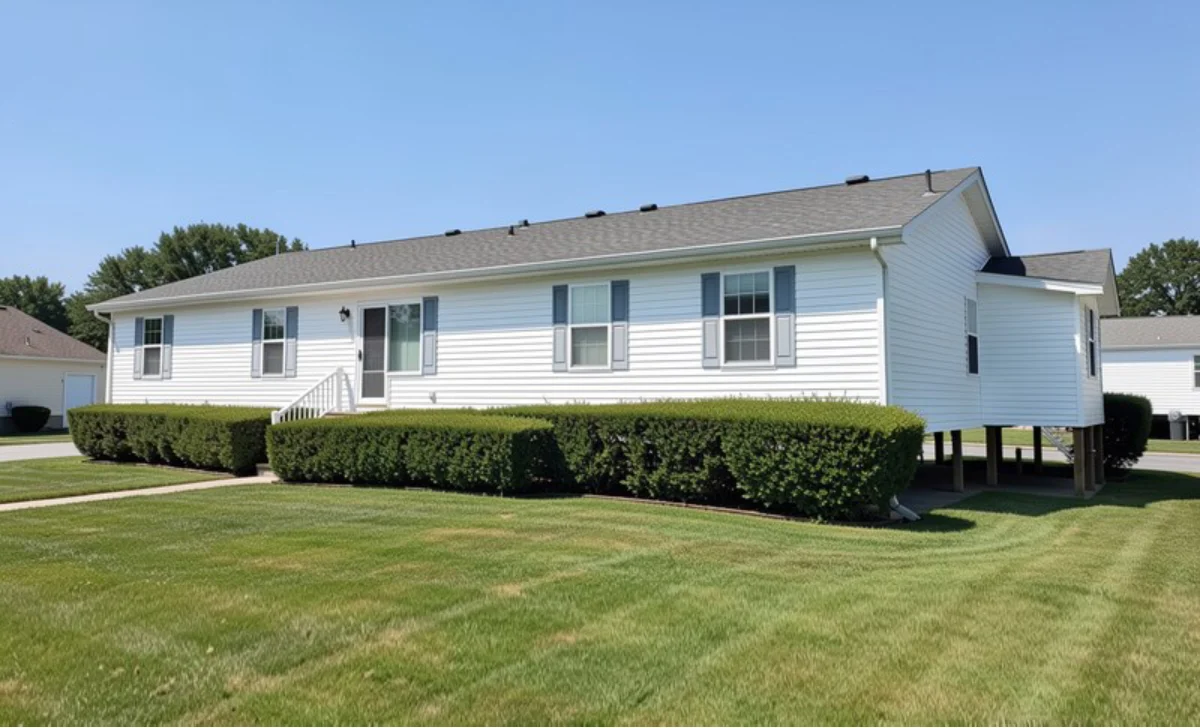
Manufactured homes require regular maintenance to protect your investment and prevent costly repairs. Unlike site-built homes, manufactured homes have unique structural characteristics that need specific attention. Proper care extends your home’s lifespan and maintains its value.
Understanding what to maintain and when helps you catch problems early. This guide covers the critical maintenance areas every manufactured home owner should prioritize.
Foundation and Structural Integrity
Your home’s foundation supports everything above it. Settling can shift the structure and create problems over time.
Inspect your foundation twice yearly for signs of settling. Look for cracks in walls, doors that stick, or floors that feel uneven. These indicate your home may need releveling.
Hire a professional to assess structural stability every 2-3 years. They can detect issues you might miss and recommend repairs before damage spreads. For those considering manufactured homes for sale, ask about the foundation type during purchase, as pier-and-beam, slab, and basement foundations each have different maintenance requirements.
Roof Maintenance
Your roof protects your home from weather damage. Manufactured home roofs often have shallower pitches than site-built homes, making them more vulnerable to water pooling and leaks.
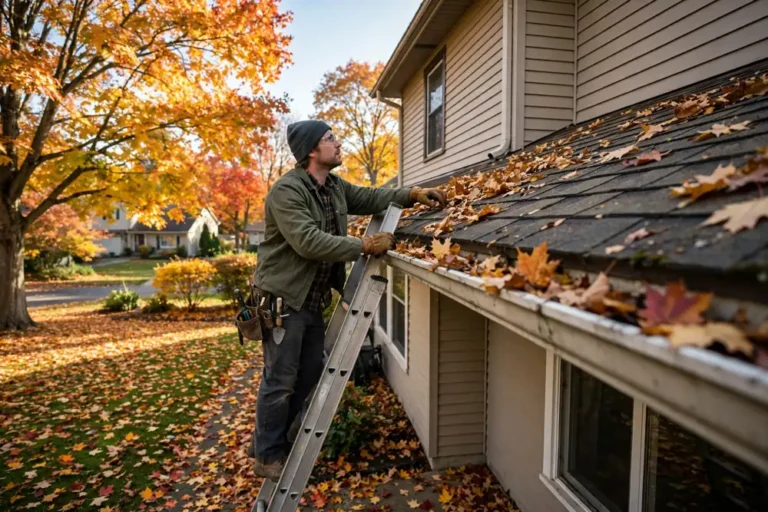
Inspect your roof twice yearly and after major storms. Look for damaged shingles, standing water, or debris buildup. Clear gutters and downspouts every three months to prevent water damage and ice dams.
Repair problems immediately. A small leak can quickly damage insulation, ceiling panels, and wall supports. Quality roofing materials designed for manufactured homes last longer and resist wind uplift better than standard materials.
Plumbing and Electrical Systems
Plumbing and electrical systems need regular attention to prevent failures and safety hazards. Manufactured homes often have systems running through the floor and walls in ways that differ from site-built construction.
Inspect for leaks or water damage under sinks, around toilets, and beneath the home every six months. Check exposed pipes in winter for adequate insulation. Water damage in manufactured homes can spread quickly through floor systems and insulation.
Have a licensed electrician inspect your system every 3-5 years. Watch for flickering lights, warm outlets, or frequently tripped breakers. Older manufactured homes may have aluminum wiring that requires specialized maintenance.
Exterior Care
Your home’s exterior shields interior spaces from weather and pests. Manufactured home siding materials vary, but most require consistent care to prevent deterioration.
Power wash siding annually to remove dirt, mold, and mildew. Check for loose panels, gaps, or damage that could let moisture or pests inside.
Paint or stain wood surfaces every 3-4 years. Seal gaps around windows, doors, and where utilities enter your home. Homes in areas with extreme temperatures or high humidity need more frequent inspections to catch weather-related damage early.
Interior Maintenance
Interior care affects comfort, air quality, and prevents hidden damage. Manufactured homes can develop moisture issues faster than site-built homes due to tighter construction.
Clean regularly and inspect high-moisture areas like bathrooms and kitchens monthly. Look for water stains, soft spots, or musty odors that signal leaks or poor ventilation.
Replace HVAC filters monthly or according to manufacturer guidelines. Proper ventilation prevents mold growth and maintains healthy indoor air. Run bathroom and kitchen exhaust fans during and after water use.
Energy Efficiency Upgrades
Improving energy efficiency reduces utility costs and increases comfort. Manufactured homes built before 1976 often lack adequate insulation, making upgrades worthwhile.
Install energy-efficient appliances when replacing old units. Add insulation to floors, walls, and ceilings where possible. Seal air leaks around windows, doors, and vents.
Upgrade to double-pane windows to reduce heat transfer. For those in mobile homes, these improvements can cut heating and cooling costs by 20-30%. Schedule an energy audit to identify specific areas where your home loses energy.
Seasonal Maintenance Tips
Spring and Summer
Warmer months are ideal for exterior work and system checks. Inspect and clean your cooling system before temperatures rise.
Check your roof for storm damage after severe weather. Seal windows and doors to keep cooled air inside. Trim trees and shrubs away from your home to prevent damage and pest access.
Inspect skirting for damage or gaps where animals could nest. Clean or replace damaged sections before pests become a problem.
Fall and Winter
Prepare your home before cold weather arrives. Winterize plumbing by insulating exposed pipes and disconnecting outdoor hoses.
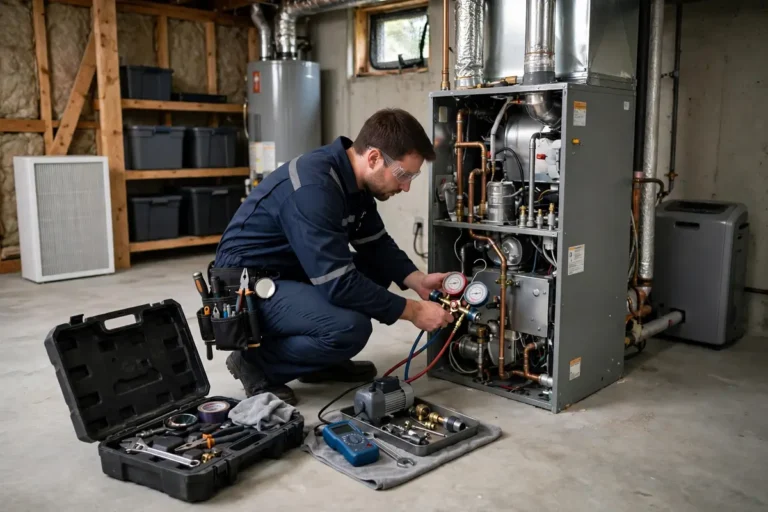
Service your heating system before you need it. Replace filters, test the thermostat, and ensure vents are clear. Heat tape on vulnerable pipes prevents freezing in unheated areas.
Check your home’s underbelly for gaps or damage. Proper insulation and sealed vapor barriers keep floors warm and prevent frozen pipes. These steps make winter more comfortable and prevent emergency repairs.