Feeling disconnected from your work or personal life can signal underlying stress, anxiety, or depression. These feelings deserve attention, not dismissal. The 15minutes4me program offers an online self-assessment tool designed to help you evaluate your mental health—but understanding what it actually does matters before you take it.
History and Viral Popularity
Mental health challenges affect millions worldwide. The World Health Organization reports that depression impacts approximately 280 million people globally, with rates of 5.0% among adults and 5.7% among those over 60. Despite these numbers, many people struggle to access mental health support or feel uncomfortable discussing their concerns openly.
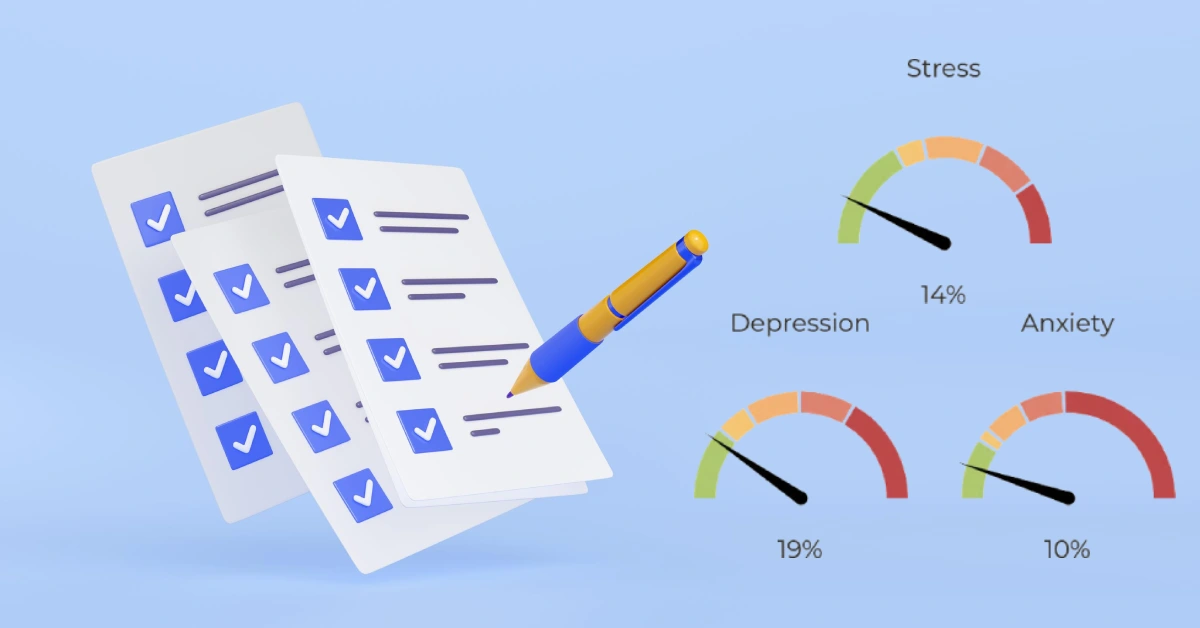
The 15minutes4me test gained massive attention on TikTok through the #15minutes4me challenge. The hashtag accumulated over 36.5 million views as users shared their results from the 26-question assessment. The test generates three separate scores measuring stress, anxiety, and depression levels—each calculated as a percentage out of 100%. Many participants who posted their results showed scores exceeding 50% in one or more categories.
While online mental health tests exist in abundance, not all provide reliable insights. If you’re experiencing significant distress, a licensed psychologist or mental health professional remains your best resource. Online assessments can’t replace professional diagnosis or treatment.
What Is the 15minutes4me Test?
15minutes4me launched in 2013 as a self-help program targeting stress, anxiety, depression, burnout, and exhaustion. The program requires 15 minutes of daily commitment and follows a structured approach developed by medical professionals.
The assessment itself serves as an entry point. You complete a questionnaire that evaluates your current mental state across three areas: stress, anxiety, and depression. After receiving your initial scores, you can access the full program, which uses progressive exercises designed to build mental health skills over time.
The program structure moves from simpler tasks to more challenging ones. Early exercises focus on basic stress management and self-awareness techniques. As you progress, the activities become more complex and require deeper engagement with your thoughts and behaviors. Many users report noticeable improvements within the first month, though individual results vary considerably.
The program was created through medical research aimed at helping people develop better coping mechanisms and mental health practices without requiring in-person therapy sessions.
How Does the 15-minute Online Mental Health Test Work?
The program focuses on self-discovery and behavioral change. You’ll identify patterns in your thinking, recognize what motivates positive change, and understand what obstacles prevent progress. The approach emphasizes building self-confidence and finding solutions through increased self-awareness.
During the program, you can expect:
- Daily 15-minute guided exercises for one month
- Measurable progress indicators after approximately 3 weeks
- A monthly cost of €55 (not free beyond the initial assessment)
- Training in self-reflection techniques
- Strategies to replace unhelpful behaviors with healthier habits
- Skill development for problem-solving
The results appear gradually. You won’t feel dramatically different after one session, but consistent daily practice over several weeks may produce noticeable changes in how you handle stress and anxiety.
Benefits Of The 15-minute Test Viral Challenge
The program offers several practical advantages for people exploring mental health support options.
1. Personalization
The test and subsequent program adapt to your specific responses and needs. Doctors and mental health professionals contributed to its development, ensuring the approach follows evidence-based practices.
2. Accessibility
You don’t need appointments or specific time slots. The program remains available 24/7, allowing you to complete exercises whenever your schedule permits. This flexibility helps people with demanding work schedules or limited access to traditional therapy.
3. Convenience
You can access the program from any location with internet connectivity—your home, office, a café, or while traveling. All you need is a smartphone, tablet, or computer.
4. Self-Directed
The program puts you in control of your mental health journey. You can also share the assessment with friends or family members who might benefit from similar support.
The entry-level test costs nothing. You only pay if you decide to continue with the full program after reviewing your results.
How Do You Take The 15Minutes4Me Quiz?
Completing the assessment takes just a few minutes:
- Visit https://www.15minutes4me.com/selftest/ in your web browser
- Click “Start Your Self-test Now”
- Create an account on the website
- Answer the multiple-choice questions honestly
- Review your results and decide whether to continue with the paid program
Your initial assessment results appear immediately. The full program tracks your progress over 21 days, providing updated scores as you complete daily exercises.
Who Designed The Test?
Dr. Paul Koeck, a medical doctor, created the 15minutes4me program. He also founded and directs COACHTEAM®, a consulting firm, and the Center for Stress Guidance. Dr. Koeck combined his medical expertise with business management experience to develop this stress and depression self-help program.
His approach bridges clinical mental health knowledge with practical, accessible tools that people can use independently.
Tips and Strategies to Manage Anxiety and Stress
Anxiety and stress affect everyone differently. While severity varies, practical strategies exist to help you manage these feelings—even when they seem overwhelming.
If anxiety significantly disrupts your daily life for extended periods, professional help becomes necessary. Online programs complement but don’t replace professional mental health care.
The Anxiety and Depression Association of America (ADAA) recommends several evidence-based coping strategies. Try incorporating these practices into your routine:
Take regular breaks through yoga, meditation, music, or relaxation techniques. Stepping away from stressful situations helps clear your mind. Eat balanced meals and keep healthy snacks available for sustained energy throughout the day. Limit alcohol and caffeine—both substances can worsen anxiety symptoms and potentially trigger panic attacks.
Prioritize sleep. Your body requires adequate rest, especially during anxious periods. Exercise daily to improve both mood and physical health. Practice deep breathing by inhaling slowly and exhaling completely. When stress peaks, count slowly to ten or twenty to create mental distance from the immediate situation.
Aim for consistent progress rather than perfection. Accept that you can’t control everything in your life. Question whether your stress matches the actual severity of the situation. Find opportunities for genuine laughter and maintain a positive outlook when possible.
Stay connected to your community. Building supportive relationships provides relief from daily stress. Identify specific anxiety triggers—whether work-related, family issues, school pressures, or other sources. When stressed, try journaling or sketching to process your emotions.
Communicate openly with friends and family about feeling overwhelmed, and explain how they can support you. Most importantly, consider working with a licensed therapist who can provide personalized guidance based on your specific circumstances.
Conclusion
Remember that online assessments like 15minutes4me offer useful starting points for understanding your mental health, but they work best as part of a broader approach that includes professional support when needed. Professional resources from organizations like ADAA can help you find qualified mental health providers in your area.